

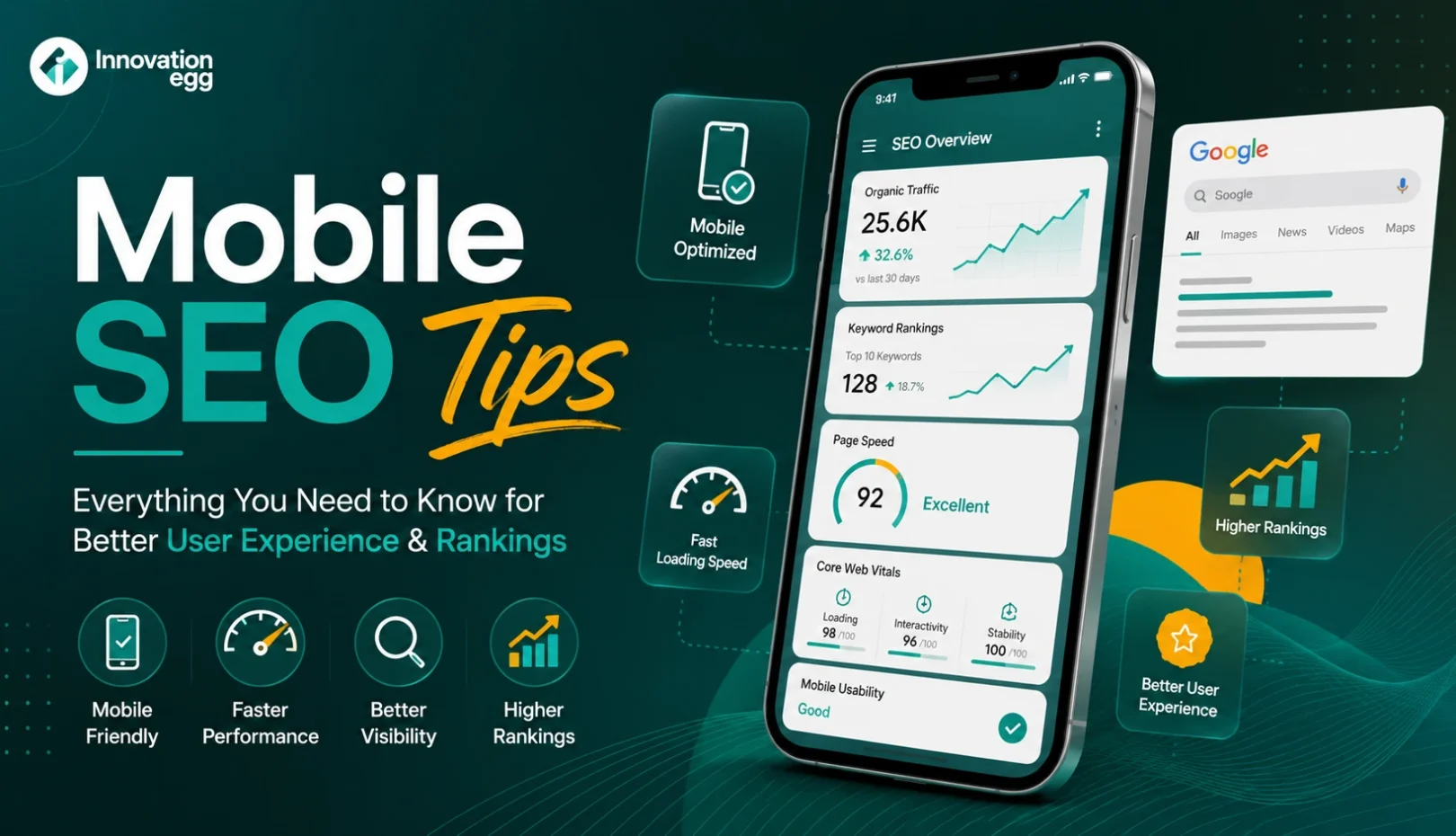
Mobile SEO Tips: Everything You Need to Know for Better User Experience & Rankings
In today’s fast-paced digital world, mobile devices dominate how users access the internet. With smartphones accounting for the majority of web traffic globally, optimizing your website for mobile is no longer optional, it’s essential. Mobile SEO ensures that your website performs well on mobile devices, providing users with a seamless experience while improving your search engine rankings.
If your site isn’t mobile-friendly, you risk losing both traffic and conversions. This comprehensive guide will walk you through everything you need to know about mobile SEO, including practical tips, strategies, and innovations that can help you stay ahead of the competition.
What is Mobile SEO?
Mobile SEO refers to the process of optimizing your website to ensure it looks good, loads quickly, and functions properly on mobile devices such as smartphones and tablets. It involves improving site design, structure, speed, and usability specifically for smaller screens.
Search engines prioritize mobile-friendly websites. With mobile-first indexing, Google predominantly uses the mobile version of your website for ranking and indexing. This means your mobile experience directly impacts your visibility in search results.
Why Mobile SEO Matters
Mobile SEO is critical for several reasons:
1. Increasing Mobile Usage
More than half of global web traffic comes from mobile devices. Users expect fast-loading, easy-to-navigate websites.
2. Improved User Experience
A mobile-optimized site ensures better readability, faster navigation, and a smoother browsing experience.
3. Higher Search Rankings
Search engines reward mobile-friendly websites with better rankings.
4. Increased Conversions
Better usability leads to higher engagement and conversion rates.
Businesses that invest in Best SEO services often see a significant boost in mobile performance, user satisfaction, and overall growth.
Mobile-First Indexing Explained
Mobile-first indexing means Google primarily uses the mobile version of your site for indexing and ranking. If your desktop and mobile versions differ, your mobile content becomes the deciding factor.
Key Implications:
- Your mobile site must contain the same content as your desktop site.
- Structured data should be consistent across both versions.
- Metadata must be identical.
Failing to optimize for mobile-first indexing can lead to lower rankings and reduced visibility.
Essential Mobile SEO Tips
1. Use Responsive Web Design
Responsive design ensures your website automatically adapts to different screen sizes. Instead of creating separate mobile and desktop versions, a responsive layout provides a consistent experience across all devices.
Benefits:
- Easier maintenance
- Better user experience
- Recommended by Google
2. Improve Page Speed
Speed is a crucial ranking factor. Mobile users are less patient and expect pages to load within seconds.
Tips to improve speed:
- Compress images
- Use browser caching
- Minimize CSS and JavaScript
- Enable lazy loading
A fast website reduces bounce rates and improves engagement.
3. Optimize for Touch Navigation
Mobile users interact with screens using their fingers, not a mouse. Ensure buttons and links are easy to tap.
Best Practices:
- Use large, clickable buttons.
- Maintain proper spacing between elements.
- Avoid pop-ups that block content.
4. Focus on Mobile-Friendly Content
Content should be easy to read on smaller screens.
Tips:
- Use short paragraphs
- Add clear headings and subheadings.
- Use bullet points for readability.
- Choose legible fonts
5. Optimize Images and Media
Heavy images slow down your website.
Best Practices:
- Use compressed images
- Choose modern formats like WebP.
- Ensure images scale properly on mobile screens.
6. Use Accelerated Mobile Pages (AMP)
AMP is a framework for creating fast-loading mobile pages.
Advantages:
- Improved loading speed
- Better performance
- Enhanced visibility in search results
7. Avoid Intrusive Interstitials
Pop-ups that cover content can frustrate users and negatively impact rankings.
Instead:
- Use subtle banners
- Show pop-ups after user interaction.
8. Optimize for Local SEO
Mobile users often search for local information.
Tips:
- Add your business location.
- Use local keywords
- Optimize your Google Business Profile
9. Improve Core Web Vitals
Core Web Vitals measure user experience based on:
- Loading performance
- Interactivity
- Visual stability
Improving these metrics helps boost rankings and user satisfaction.
10. Use Structured Data
Structured data helps search engines better understand your content.
Benefits:
- Rich snippets in search results
- Increased click-through rates
Mobile UX and SEO: A Strong Connection
User experience (UX) and SEO go hand in hand. A poor mobile experience leads to high bounce rates, which can negatively impact rankings.
Key UX Factors:
- Easy navigation
- Fast load time
- Clear layout
- Accessible design
Companies like innovationegg emphasize blending design innovation with SEO strategies to create seamless mobile experiences.
Common Mobile SEO Mistakes to Avoid
Even experienced website owners make mistakes that hurt mobile performance.
1. Blocking CSS, JavaScript, or Images
Search engines need access to these files to understand your site.
2. Unplayable Content
Ensure videos and media work properly on mobile devices.
3. Faulty Redirects
Avoid sending mobile users to irrelevant pages.
4. Poor Mobile Navigation
Complex menus can frustrate users.
5. Slow Server Response Time
Choose reliable hosting for better performance.
Tools for Mobile SEO Optimization
Using the right tools can make optimization easier.
Popular Tools:
- Google Mobile-Friendly Test
- PageSpeed Insights
- Google Search Console
- Lighthouse
These tools help identify issues and provide actionable recommendations.
Future Trends in Mobile SEO
Mobile SEO continues to evolve with new technologies and user behaviours.
1. Voice Search Optimization
Users increasingly rely on voice assistants. Optimize for conversational queries.
2. AI and Personalization
AI-driven content improves user experience.
3. 5G Technology
Faster internet speeds will change how users interact with mobile websites.
4. Progressive Web Apps (PWAs)
PWAs combine the best of web and mobile apps for a superior experience.
How Best SEO Services Can Help
Partnering with professionals offering the best SEO services can make a significant difference. They bring expertise, tools, and strategies to:
- Optimize your mobile website.
- Improve rankings
- Increase traffic
- Enhance user experience
Whether you’re a small business or a large enterprise, investing in expert SEO support can drive long-term success.
Conclusion
Mobile SEO is no longer just an option—it’s a necessity. With mobile-first indexing and the growing number of mobile users, optimizing your website for mobile devices is critical for success.
From responsive design and faster loading speeds to improved user experience and structured data, every aspect of mobile SEO contributes to better rankings and higher engagement.
By following the tips outlined in this guide and staying up to date with the latest trends, you can ensure your website remains competitive in the ever-evolving digital landscape.
FAQs
1. What is mobile SEO, and why is it important?
Mobile SEO focuses on optimizing websites for mobile devices to improve user experience and search rankings. It’s important because most users access the internet via smartphones.
2. What is mobile-first indexing?
Mobile-first indexing means search engines primarily use the mobile version of a website for ranking and indexing.
3. How can I improve my mobile website speed?
You can improve speed by compressing images, minimizing code, enabling caching, and using faster hosting.
4. What are Core Web Vitals?
Core Web Vitals are metrics that measure a webpage’s loading performance, interactivity, and visual stability.
5. Should I hire professional SEO services for mobile optimization?
Yes, hiring experts offering the best SEO services can help you implement effective strategies and achieve better results faster.
